 Brazil · City guide
Living in São Paulo, Brazil: a guide for newcomers
What living in São Paulo is really like: the costs, weather, safety, neighbourhoods and day-to-day practicalities.
Source-checked43 sourcesChecked 13 Nov 2026Residents' reports labelledHow we check ContributorJohn Robinson
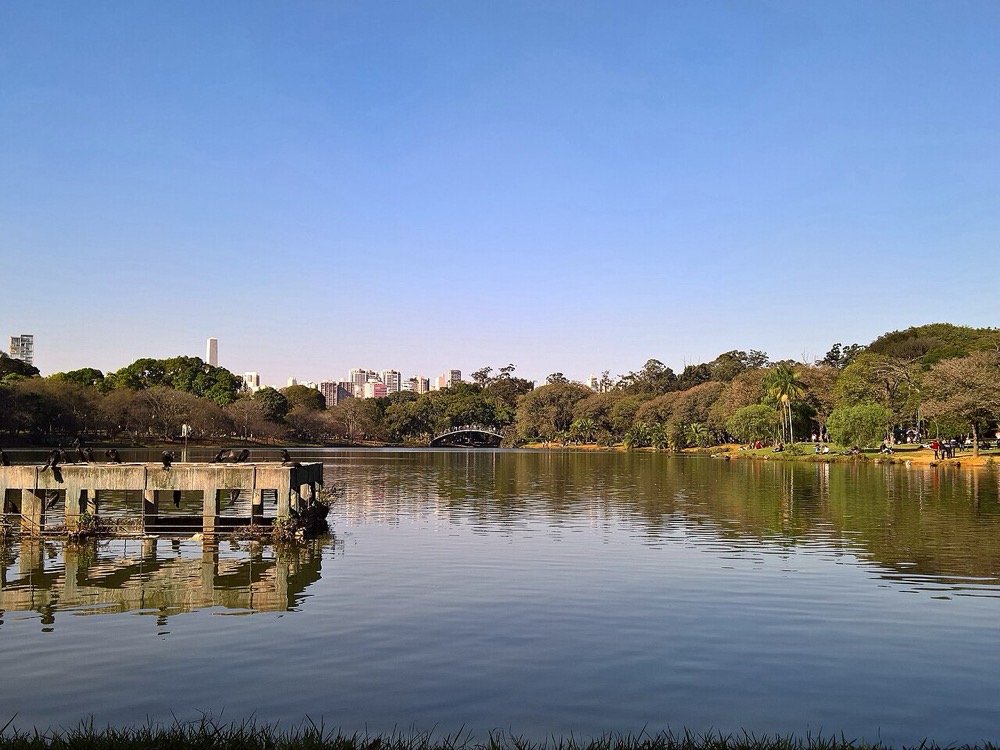
fewer more
São Paulo in brief
- Altitude
- About 2,600 ft
- Population
- 11.5 million
- Currency
- $1 = 5.7 reais$100 = BRL 565
- Rent, 1 bedroom
- $550–600 a month
- Weather
- Days 73–84 °F, nights 55–67 °FNightsDays
- US travel advisory
- Level 2: increased caution
- Home internet
- About 240 MbpsTypical 240
- Airport
- GRU, 17–22 miles away
- Time zone
- 2 h ahead of New York in winter
Best for
- Families: US, British, IB and German schools, mostly in the south-west.
- Remote workers: fast fibre and metro stations close to most central areas.
- Easy trips home: non-stop flights to 11 US cities.
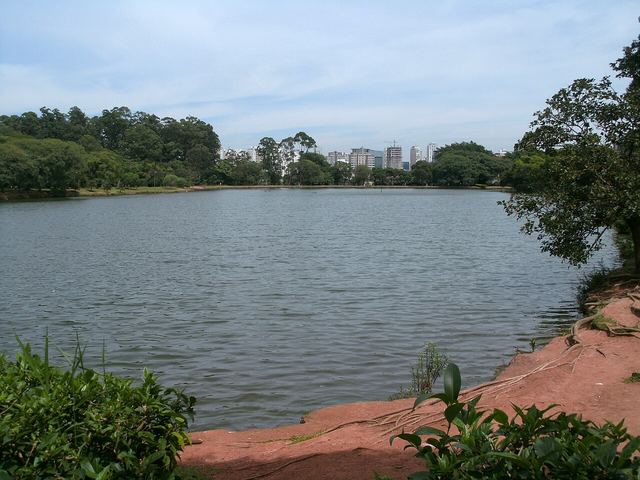
- Food and culture lovers: over 100 Michelin-listed restaurants, museums and Ibirapuera park.
Think twice if
- You won't learn Portuguese: you'll need it for almost everything, even the doctor.
- Street crime would weigh on you: phone theft and pickpocketing are everyday risks.
- You dislike heavy rain: summer storms regularly flood streets.
- You want cheap living: groceries cost more here than in any other Brazilian state capital.
Where to live
US diplomats have mostly lived in Jardins, Moema and Brooklin; guides send younger newcomers to Pinheiros and Vila Madalena. Tap an area for rents, safety and what residents say.
★ Stars show how often newcomers' accounts and guides name it: 5 most, 2 none.
Not covered yet: Vila Nova Conceição, Morumbi, Campo Belo, Bela Vista, Consolação and Alto de Pinheiros.
Things to do
Official sourcesDataIncludes residents' reports
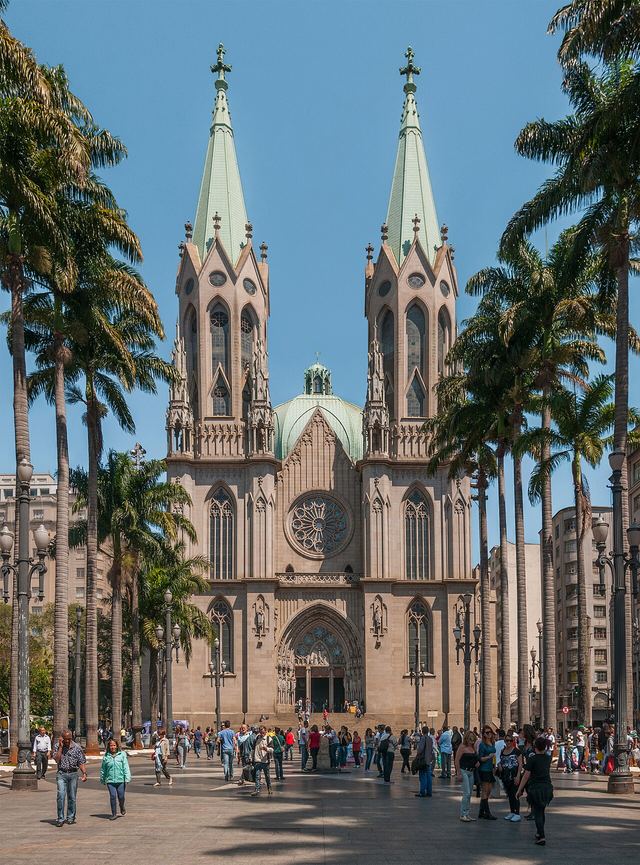
Start on Avenida Paulista and in Ibirapuera park, then see the old centre by day. Check hours and prices before you go.
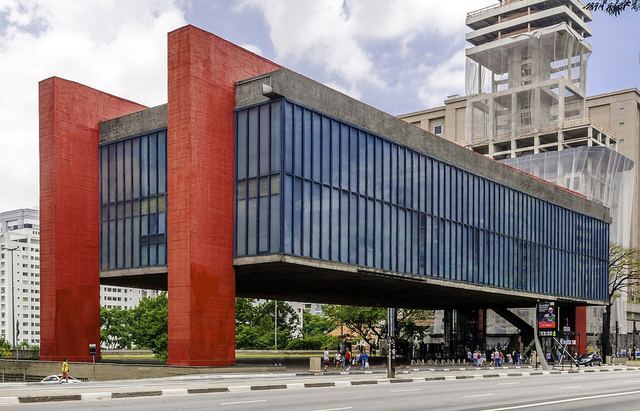
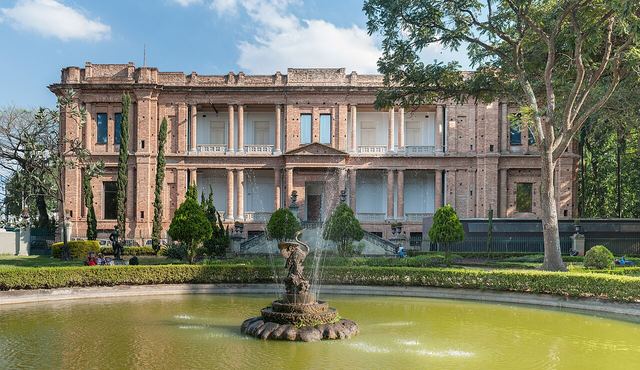
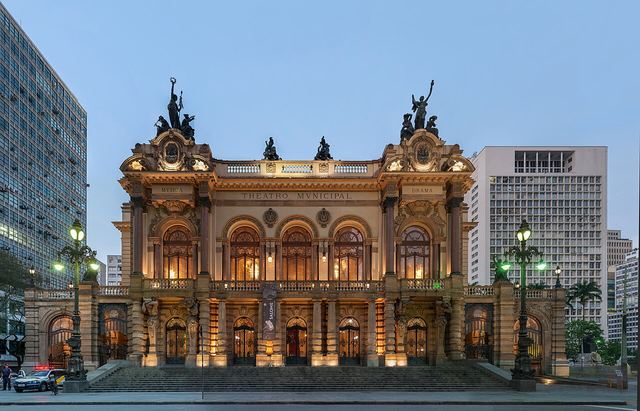
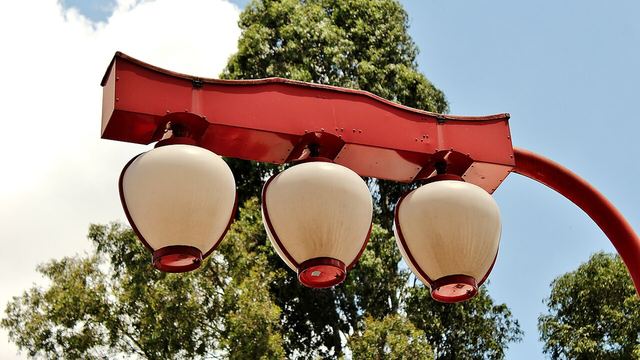
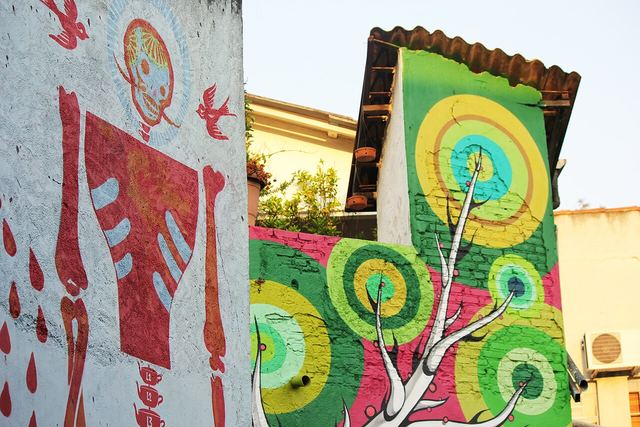
Also worth a visit
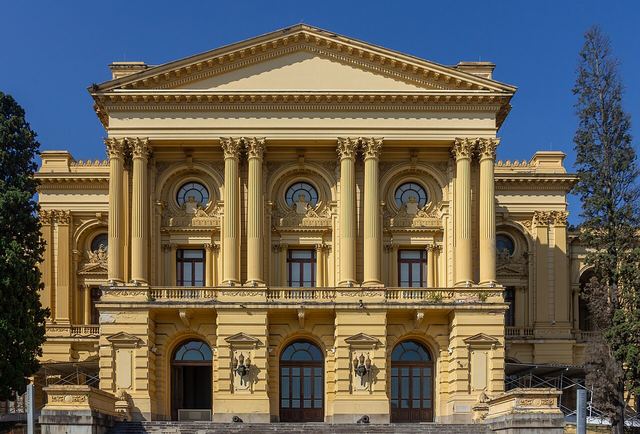
- Museu do Ipiranga: the big history museum, in the south-east.
- Museu do Futebol: the football museum inside Pacaembu stadium.
- Sesc Pompeia and Sesc Vila Mariana: cultural and sports centres.
Sources (6)
- Opening hours and prices aren't researched yet. The UK government lists the historic centre and Sé among theft hotspots.
- Wikivoyage, São Paulo (community travel guide; last edited 10 Nov 2026; listings carry mixed dates) 2026-11-10
- OpenStreetMap named places looked up with Nominatim (parks, markets, museums, streets). © OpenStreetMap contributors, ODbL 2026-11-13
- Wikivoyage, São Paulo/South Central (community travel guide; last edited 5 Nov 2026) 2026-11-05
- UK FCDO, Brazil travel advice: Safety and security, Regional risks, Health, Getting help (GOV.UK content API; updated 28 Oct 2026) 2026-10-28
- Wikivoyage, São Paulo/Downtown (community travel guide; last edited 5 Nov 2026) 2026-11-05
- Wikivoyage, São Paulo/West Side (community travel guide; last edited 5 Nov 2026) 2026-11-05
Day trips
DataIncludes residents' reports
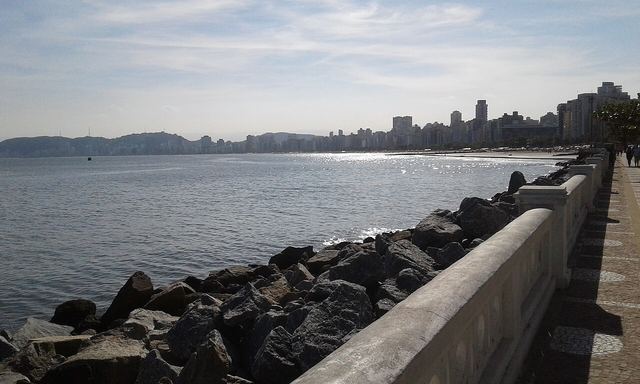
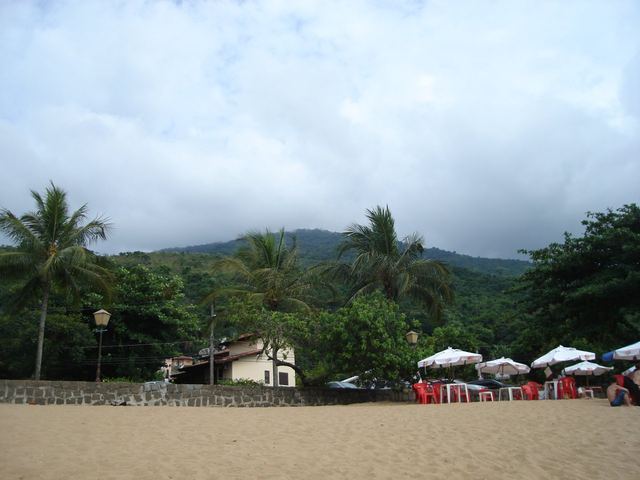
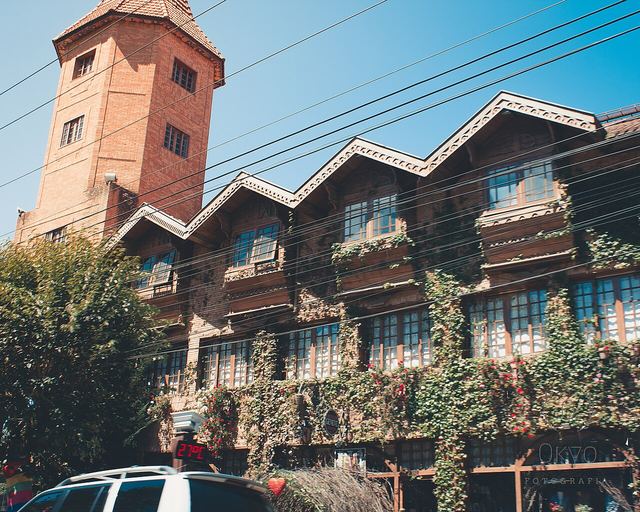
Beaches and mountain towns are 1–4 hours away. Leave early: weekend traffic to the coast is heavy.
| Trip | Drive | Why go |
|---|---|---|
| Embu das Artes | 19 mi, about 35 min | Artists' town: crafts and furniture shops |
| Santos | 48 mi, about 1¼ h | Port city, home of Pelé's club |
| Campos do Jordão | 107 mi, about 2½ h | Mountain town at about 5,200 ft |
| São Sebastião and Ilhabela | 124 mi, about 3 h | North-coast beaches; ferry to Ilhabela |
| Ubatuba | 140 mi, about 3½ h | North-coast beaches and surfing |
| Guararema, Mogi das Cruzes, Paranapiacaba | By bus or train | Small towns in the metro area |
Drive times are from Praça da Sé with no traffic.
Sources (2)
- No-traffic road estimates from Praça da Sé. Ilhabela is reached only by ferry (about 3½ h in all). Santana de Parnaíba is also a metro-area day trip. Bus times and fares aren't researched yet.
Food and markets
Includes residents' reports
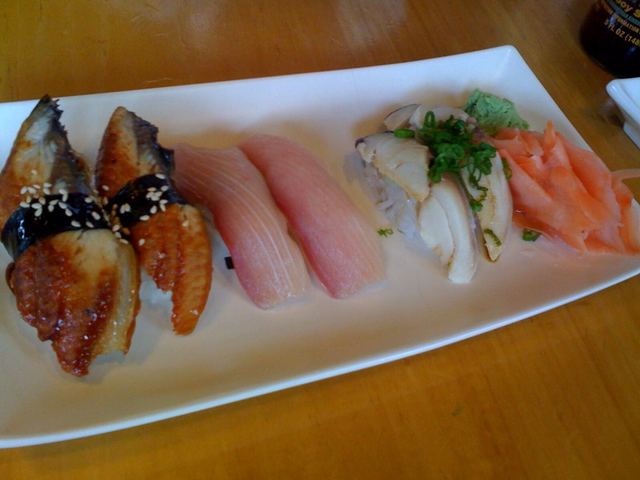
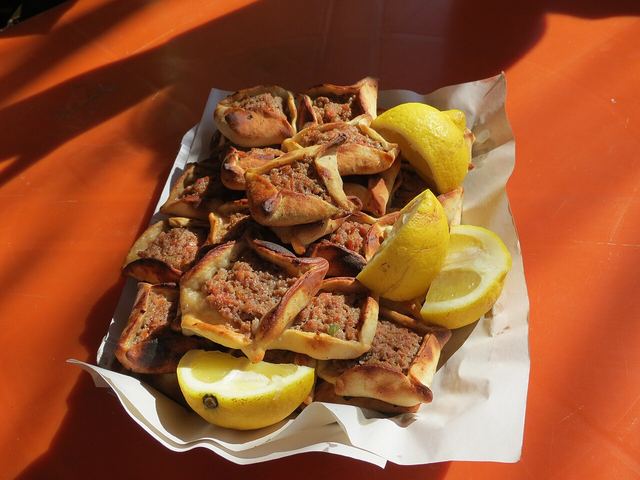
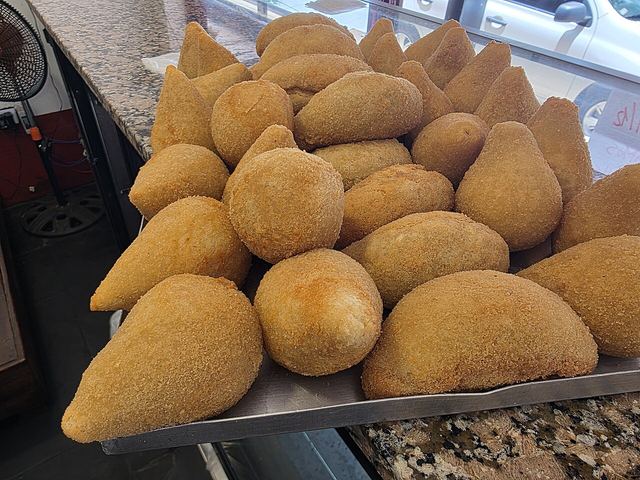
Food is the big draw: cooking from Italian, Japanese and Lebanese immigrants, and over 100 Michelin-listed restaurants.

Markets
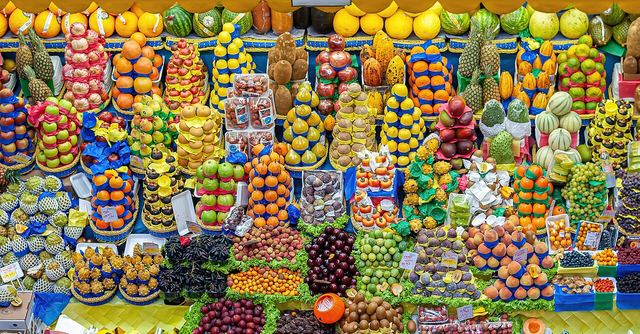
- Mercado Municipal de Pinheiros: a neighbourhood market hall.
- Street markets (feiras livres): most neighbourhoods have a weekly one, with produce, cheese and bread, cheaper than supermarkets.
Sources (3)
- Restaurant prices aren't researched yet. Names to try: Habib's for esfihas, Ragazzo for coxinhas (travel guide).
- Wikivoyage, São Paulo (community travel guide; last edited 10 Nov 2026; listings carry mixed dates) 2026-11-10
- OpenStreetMap named places looked up with Nominatim (parks, markets, museums, streets). © OpenStreetMap contributors, ODbL 2026-11-13
- Tales Magazine, Real Post Report São Paulo (US diplomatic-mission respondent, 6 May 2021) 2021-05-06
Healthcare
Official sourcesIncludes residents' reports
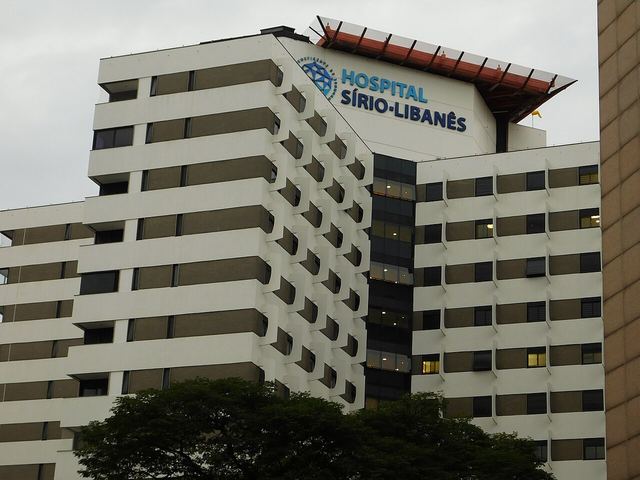
US diplomats rate private care highly, but English is patchy and no hospital confirms direct billing. Check with the hospital and your insurer first.
- Hospital Israelita Albert Einstein: private · Morumbi.
- Hospital Sírio-Libanês: private · Bela Vista.
- Hospital Nove de Julho: private · Cerqueira César, by Jardins.
- Santa Joana and Santa Maria: private maternity hospitals · Paraíso.
- Hospital das Clínicas and Hospital São Paulo: public · Cerqueira César and Vila Clementino.
- Emergencies: ambulance 192, police 190, fire 193.
Private hospitals won't admit you without proof of insurance or funds. Public ones treat emergencies but are often crowded.
Sources (6)
- Hospital list: the UK government's list of providers where some staff speak English (Mar 2025); not yet checked against the US Consulate's list. US Consulate citizen services: +55 11 3250-5000, 24 hours.
- UK FCDO, Brazil: medical facilities (list of medical facilities/practitioners in Brazil; updated 19 Mar 2025) 2025-03-19
- UK FCDO, Brazil travel advice: Safety and security, Regional risks, Health, Getting help (GOV.UK content API; updated 28 Oct 2026) 2026-10-28
- U.S. Embassy & Consulates in Brazil, Medical Assistance (emergency numbers; consulate contacts; page modified 1 Jun 2026). The São Paulo consular-district provider PDF returned HTTP 403 to our script 2026-06-01
- Tales Magazine, Real Post Report São Paulo (US diplomatic-mission respondent, 14 Aug 2019) 2019-08-14
- Tales Magazine, Real Post Report São Paulo (US diplomatic-mission respondent, 6 May 2021) 2021-05-06
- Tales Magazine, Real Post Report São Paulo (US diplomatic-mission respondent, 12 Apr 2021) 2021-04-12
Families and schools
Includes residents' reports
A strong city for schooling: US, British, IB and German schools, mostly in the south-west. Confirm fees with each school.
- Graded – The American School of São Paulo: US school with the IB · Morumbi.
- St. Paul's School: British, with the full IB Diploma in Sixth Form · Jardim Paulistano.
- St. Nicholas School: IB from primary to the Diploma · Pinheiros, also Alphaville.
- Colégio Visconde de Porto Seguro: German, with the Abitur; IB at Panamby · Morumbi.
- Avenues São Paulo: its own global programme plus the Brazilian curriculum, ages 1–18.
- Chapel School: founded for American families · Chácara Flora Curriculum not confirmed
Most US diplomats' children attend Graded; others go to Chapel, St. Paul's and Avenues.
Sources (8)
- Curricula from each school's own site; IB directory listings not yet confirmed. No fees read. Avenues reports NEASC accreditation. Lycée Pasteur (French) isn't confirmed.
- Graded - The American School of São Paulo, home page (High School menu lists Curriculum, International Baccalaureate, Brazilian Accredited Program; Av. José Galante, 425) 2026-11-13
- St. Paul's School, Sixth Form page: 'all pupils study for the full International Baccalaureate Diploma'; home page: Brazilian curriculum combined with the National Curriculum of England; Rua Juquiá 166, Jardim Paulistano 2026-11-13
- St. Nicholas School, home page: IB World School, Pinheiros campus (Praça Joaquim Roberto, 30) with Early Years, Primary Years, Middle Years and Diploma Programme; Alphaville campus 2026-11-13
- Colégio Visconde de Porto Seguro, home page: Currículo Internacional Alemão (Abitur), IB Diploma Programme at the Panamby campus; Morumbi campus Rua Floriano Peixoto Santos, 55 2026-11-13
- Avenues São Paulo, home page (ages 1-18; news item 'Avenues São Paulo Achieves NEASC Accreditation'; programme blends global learning with the Brazilian national curriculum) 2026-11-13
- Chapel School, site (founded 1947 for children of American families; Rua Vigário João de Pontes, 537, Chácara Flora). The page served was a test/staging copy; curriculum not stated in the text read 2026-11-13
- Tales Magazine, Real Post Report São Paulo (US diplomatic-mission respondent, 6 May 2021) 2021-05-06
- Tales Magazine, Real Post Report São Paulo (US diplomatic-mission respondent, 14 Aug 2019) 2019-08-14
Nightlife
Official sourcesIncludes residents' reports
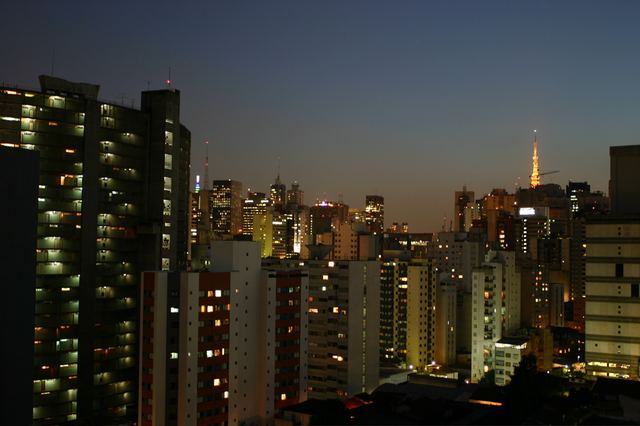
Vila Madalena and Rua Augusta are the big bar areas. Go by app taxi at night.
- Vila Madalena (Rua Aspicuelta): bars and clubs; with Vila Olímpia, the upscale scene.
- Rua Augusta and Bela Vista (Bixiga): bars and live music; Augusta north of Paulista is a theft hotspot.
- República and Largo do Arouche: the city's oldest gay nightlife area; Pride is large and peaceful.
Rules worth knowing
- Dating apps and bars: criminals target foreigners, sometimes drugging drinks before robbing them.
- Getting home: use an app or a licensed taxi; never hail one on the street.
Sources (5)
- No venue confirmed open in this research.
- Wikivoyage, São Paulo (community travel guide; last edited 10 Nov 2026; listings carry mixed dates) 2026-11-10
- Wikivoyage, São Paulo/West Side (community travel guide; last edited 5 Nov 2026) 2026-11-05
- Wikivoyage, São Paulo/Downtown (community travel guide; last edited 5 Nov 2026) 2026-11-05
- UK FCDO, Brazil travel advice: Safety and security, Regional risks, Health, Getting help (GOV.UK content API; updated 28 Oct 2026) 2026-10-28
- US State Department, official travel advisories RSS feed (TAsTWs.xml): Brazil Level 2, Exercise Increased Caution (crime, kidnapping), dated Mon 31 Aug 2026; travel.state.gov HTML pages refuse automated fetches 2026-08-31
Getting there and getting around
Official sourcesDataIncludes residents' reports
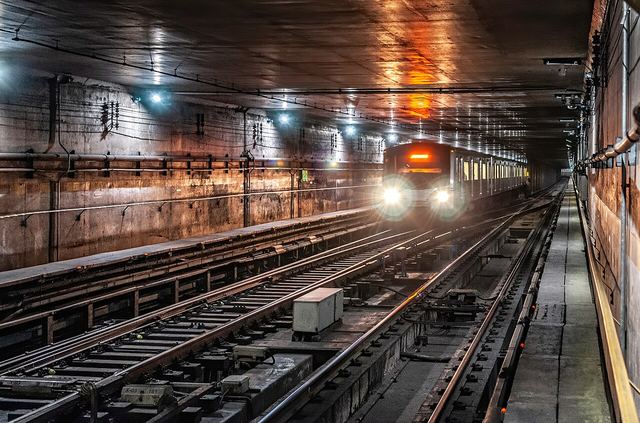
Flying home is easy: four airlines fly non-stop from GRU to 11 US cities.
| Airline | Non-stop US destinations |
|---|---|
| American | Dallas–Fort Worth, Miami, New York JFK |
| Delta | Atlanta, New York JFK |
| United | Chicago, Houston, Newark, Washington Dulles |
| LATAM | Boston, Los Angeles, Miami, New York JFK, Orlando |
Not yet verified Route list from a public route table, not confirmed with the airlines.
From the airport
- Jardins, Pinheiros, Higienópolis: 17–20 miles, 30–40 min without traffic; up to two hours at peak.
- Moema, Vila Mariana, Brooklin: 19–22 miles from GRU, but only 3–4 miles from Congonhas, the domestic airport.
- Train: Line 13 from GRU, with an hourly express to Luz; about $1.
- Taxis and shuttles: fixed-fare airport taxis by neighbourhood, or shuttles at about $9–11. An Uber runs about $30–40.
Around the city
- Metro: about $1 a ride; Line 2 runs along Paulista and Line 4 out to the west.
- Monthly pass: about $73 for buses, metro and trains.
- New lines: Line 6 to Perdizes keeps short weekday hours for now; Line 17 runs to Congonhas.
- Tickets: without a Brazilian tax number (CPF), buy single tickets at stations.
- Ride-hailing: Uber, 99 and InDrive; most trips cost $3–15, so a car is rarely needed.
- Walking: sidewalks are often badly broken.
Sources (8)
- Drive times are no-traffic estimates (GRU 27–36 km; Congonhas 5–13 km). Fares from 6 Jan 2026: bus 5.30 reais, metro and train 5.40, bus-rail transfer 9.38; monthly pass 411.13. Shuttles 50–60 reais; other airport buses 8–50.
- Line 6 ran weekdays 10 am–3 pm as of Oct 2026. Uber prices: a US diplomat's report, 2024. Flights: a community-edited route list, 30 Oct 2026; frequencies and seasons not confirmed.
- Wikivoyage, São Paulo (community travel guide; last edited 10 Nov 2026; listings carry mixed dates) 2026-11-10
- Wikipedia, São Paulo/Guarulhos International Airport, 'Airlines and destinations' (community-edited; revision 30 Oct 2026; routes cite airline and news sources) 2026-10-30
- OSRM public routing API (driving, free-flow, no traffic; destination points are OSM place nodes or approximate town centres) 2026-11-13
- Tales Magazine, Real Post Report São Paulo (US diplomatic-mission respondent, 13 Jun 2024) 2024-06-13
- Diário do Transporte, new Bilhete Único fares and monthly passes from 6 Jan 2026 (bus R$ 5.30, metro/rail R$ 5.40, integration R$ 9.38; monthly integrated R$ 411.13) 2025-12-30
- Agência Brasil (federal public news agency), 'Linha 6-Laranja do Metrô de SP inicia operação nesta sexta-feira' (first stretch to Perdizes) 2026-07-03
- Tales Magazine, Real Post Report São Paulo (US diplomatic-mission respondent, 14 Aug 2019) 2019-08-14
- Tales Magazine, Real Post Report São Paulo (US diplomatic-mission respondent, 12 Apr 2021) 2021-04-12
Expat community and coworking
Includes residents' reports
There's no tight-knit expat scene. US diplomats say foreigners are many but spread out, and community takes effort to find.
- Regus Pinheiros: offices and coworking Not confirmed
- Spaces Vila Madalena: coworking on Rua Capitão Antonio Rosa; prices on request Not confirmed
Call coworking spaces ahead for hours and prices.
Sources (5)
- No official count of US-born residents found. No meetup group confirmed current. Coworking from directory listings only.
- Tales Magazine, Real Post Report São Paulo (US diplomatic-mission respondent, 12 Apr 2021) 2021-04-12
- Tales Magazine, Real Post Report São Paulo (US diplomatic-mission respondent, 14 Aug 2019) 2019-08-14
- Tales Magazine, Real Post Report São Paulo (US diplomatic-mission respondent, 13 Jun 2024) 2024-06-13
- workin.space, Spaces Vila Madalena, Rua Capitão Antonio Rosa (commercial coworking directory; seen via search result) 2026-11-13
- Regus, coworking em Pinheiros (operator page; seen via search result, not read) 2026-11-13
Learning Portuguese
Includes residents' reports
Here it's Portuguese, not Spanish, and you'll need it: most building staff and many doctors speak little English.
- Mackenzie Language Center: Portuguese for foreigners, about $617 a semester · Higienópolis.
- Other options: USP, União Cultural Brasil–Estados Unidos and Senac Jardins Not confirmed
Sources (2)
- Mackenzie, second semester 2026: 3,485 reais, in five instalments of 697. Other schools' prices and tutors aren't researched yet.
Neighbourhood areas are approximate; a circle marks an area OpenStreetMap has only as a point. Map data © OpenStreetMap contributors.
Cost of living
Official sourcesDataIncludes residents' reports
1-bed asking rents run about $460–620 a month, before building fees. Prices as of Nov 2026.
1-bed asking rents by neighbourhood
- Building fee and property tax: add about $130–200 a month for a 1-bed.
- Bigger places: 3-bedrooms ask about $1,020 in Perdizes and $1,790 in Higienópolis.
- Groceries: the basic food basket for one adult costs about $168 a month, the most of any state capital.
- Imported goods cost much more than in the US; local produce costs about the same or less.
A month's budget
| Per month | One person, modest | One person, comfortable | Couple, modest | Couple, comfortable |
|---|---|---|---|---|
| Rent | $460 | $582 | $460 | $1,150 |
| Condomínio + IPTU | $130 | $131 | $130 | $226 |
| Groceries | $168 | Not sourced yet | Not sourced yet | Not sourced yet |
| Utilities | Not sourced yet | Not sourced yet | Not sourced yet | Not sourced yet |
| Home internet | $18 | $18 | $18 | $18 |
| Mobile phone | Not sourced yet | Not sourced yet | Not sourced yet | Not sourced yet |
| Transport | $73 | Not sourced yet | $146 | Not sourced yet |
| Eating out | Not sourced yet | Not sourced yet | Not sourced yet | Not sourced yet |
| Health insurance | Not sourced yet | Not sourced yet | Not sourced yet | Not sourced yet |
Modest: Perdizes 1-bed, transit pass. Comfortable: Pinheiros 1-bed. Couple, comfortable: Vila Mariana 3-bed.
No total yet: utilities, mobile, eating out and health insurance aren't priced.
Sources (8)
- Dollar figures at the central bank's PTAX rate, 5.6512 reais per $1 (13 Nov 2026). Rents: QuintoAndar asking prices, unfurnished, 24–46 ads per area, ads live 13 Nov 2026; Moema's 1-bed sample is skewed. Fees: 730–1,110 reais for 1-beds outside Moema.
- Food basket: DIEESE, Oct 2026, 951.37 reais for 13 staples for one adult, the highest of the 27 state capitals and up 12.3% in a year.
- Not yet researched: supermarket prices, power and water bills, mobile plans, restaurant prices, health insurance, 2-bed rents.
- Banco Central do Brasil, PTAX (Olinda API, CotacaoDolarPeriodo): 13/11/2026 13:03, buying BRL 5.6512, selling 5.6518 per USD (12/11: 5.6137 / 5.6143) 2026-11-13
- QuintoAndar, apartamentos e casas para alugar por bairro, filters 1 quarto and 3 quartos, all and 'não mobiliado' (first result page of 24 ads per search, plus the alternate '?page=2' result set; 72 searches read by script) 2026-11-13
- DIEESE, Pesquisa Nacional da Cesta Básica de Alimentos, resultados de outubro de 2026 (released 10 Nov 2026): São Paulo R$ 951.37 2026-11-10
- Diário do Transporte, new Bilhete Único fares and monthly passes from 6 Jan 2026 (bus R$ 5.30, metro/rail R$ 5.40, integration R$ 9.38; monthly integrated R$ 411.13) 2025-12-30
- Tales Magazine, Real Post Report São Paulo (US diplomatic-mission respondent, 13 Jun 2024) 2024-06-13
- Claro Brasil, Internet fibra residencial page (offer '600 Mega por apenas R$99,90'; address and contract terms not checked) 2026-11-13
- Tales Magazine, Real Post Report São Paulo (US diplomatic-mission respondent, 14 Aug 2019) 2019-08-14
- Tales Magazine, Real Post Report São Paulo (US diplomatic-mission respondent, 6 May 2021) 2021-05-06
Climate
Data
Warm and wet in summer, mild and dry in winter. About 65 inches of rain fall a year, most of it December to March.
Days and nights through the year
- Summer (Dec–Feb): highs 83–84 °F, nights 66–67 °F; the wettest months, with rain on 13–17 days.
- Autumn (Mar–May): highs fall from 82 °F to 74 °F, nights from 66 °F to 58 °F; rain eases from April.
- Winter (Jun–Aug): highs 73–76 °F, nights 55–56 °F; the driest season.
- Spring (Sep–Nov): highs 77–80 °F, nights 59–63 °F; the rain returns.
- Hot days: about 76 a year reach 86 °F.
Sources (4)
- INMET 1991–2020 normals, Mirante de Santana station (785 m): 1,658 mm a year on 110 rain days; January 292 mm.
- Air quality: US diplomats describe it as moderate to fairly bad; no monitoring data read.
- INMET, Normais Climatológicas do Brasil 1991-2020, station 83781 SÃO PAULO (MIR. DE SANTANA), 785.16 m, 23.496°S 46.620°W, operating (files TMAX, TMIN, PREC, PRENDIAS1, TMAXNDIA30, UR, ESTAÇÕES) 2026-11-13
- Tales Magazine, Real Post Report São Paulo (US diplomatic-mission respondent, 14 Aug 2019) 2019-08-14
- Tales Magazine, Real Post Report São Paulo (US diplomatic-mission respondent, 12 Apr 2021) 2021-04-12
- Tales Magazine, Real Post Report São Paulo (US diplomatic-mission respondent, 13 Jun 2024) 2024-06-13
Safety
Official sourcesIncludes residents' reports
Street crime is the main worry, above all phone snatching and pickpocketing. Use app taxis at night and keep your phone out of sight.
US travel advisory
Level 2: increased caution
- Theft hotspots: Avenida Paulista, the old centre, Rua Augusta, Sé, República, Luz and Pinheiros.
- Pinheiros leads for phone theft: about 24 phones a day were stolen there in early 2026.
- Express kidnapping: victims are forced to withdraw cash or make Pix transfers; take care at ATMs.
- Buses: US government staff are told not to use city buses; robberies peak 4–9 pm.
- Taxis: never hail one on the street; fake ride-hail accounts are used in robberies too.
- Favelas: the US says don't go.
- The metro is considered safe: deserted streets at night and dark ATMs aren't.
- Summer storms: flash floods, falling trees and blackouts, mostly November to March.
Sources (7)
- US State Department, 31 Aug 2026: Brazil Level 2 (crime, kidnapping); no São Paulo area named. UK FCDO, 28 Oct 2026.
- Phones stolen or robbed, Jan–Feb 2026, by police station (state police data via a news report): Pinheiros 1,464; Consolação 1,238; Campos Elíseos 1,079; Perdizes 962; Sé 935. Official crime tables by district aren't researched yet. Flood points: the city emergency centre's one-day list, 13 Nov 2026.
- US State Department, official travel advisories RSS feed (TAsTWs.xml): Brazil Level 2, Exercise Increased Caution (crime, kidnapping), dated Mon 31 Aug 2026; travel.state.gov HTML pages refuse automated fetches 2026-08-31
- UK FCDO, Brazil travel advice: Safety and security, Regional risks, Health, Getting help (GOV.UK content API; updated 28 Oct 2026) 2026-10-28
- BNews SP (Fernanda Montanha), 'Pinheiros lidera roubos de celular em SP com média de 1 por hora', citing SSP-SP data for Jan-Feb 2026 by police station 2026-04-20
- Prefeitura de São Paulo, CGE (Centro de Gerenciamento de Emergências Climáticas), Alagamentos: flood points recorded 13/11/2026 2026-11-13
- Tales Magazine, Real Post Report São Paulo (US diplomatic-mission respondent, 14 Aug 2019) 2019-08-14
- Tales Magazine, Real Post Report São Paulo (US diplomatic-mission respondent, 13 Jun 2024) 2024-06-13
- Wikivoyage, São Paulo (community travel guide; last edited 10 Nov 2026; listings carry mixed dates) 2026-11-10
Internet and remote work
DataIncludes residents' reports
Home internet speed
- Fast enough for video calls: home connections average about 240 Mbps nationally.
- Home internet: fibre from about $18 a month, on a promotional 600 Mbps plan.
- Main providers: Claro, Vivo and TIM.
- Installation: usually within a week, says a US diplomat.
- Time zone: 2 hours ahead of New York in US winter, 1 hour in summer.
- Power: summer storms can knock it out.
Sources (6)
- Ookla, Sept 2026 (national): fixed 243.69 Mbps, mobile 274.38 Mbps. Claro '600 Mega' offer, 99.90 reais (13 Nov 2026); contract terms not read. Brasília time, UTC−3 all year. City-level speeds and power-cut data aren't researched.
- Ookla Speedtest Global Index, Brazil (median fixed broadband and mobile, updated September 2026) 2026-09-15
- Claro Brasil, Internet fibra residencial page (offer '600 Mega por apenas R$99,90'; address and contract terms not checked) 2026-11-13
- Tales Magazine, Real Post Report São Paulo (US diplomatic-mission respondent, 12 Apr 2021) 2021-04-12
- workin.space, Spaces Vila Madalena, Rua Capitão Antonio Rosa (commercial coworking directory; seen via search result) 2026-11-13
- Regus, coworking em Pinheiros (operator page; seen via search result, not read) 2026-11-13
- Wikivoyage, São Paulo (community travel guide; last edited 10 Nov 2026; listings carry mixed dates) 2026-11-10
Living in Brazil long-term
Staying beyond a visit means residency. Our Brazil guides cover the routes, the documents and what you'd pay in tax, with the law behind each rule.
Questions people ask
Is São Paulo safe?
Mostly, if you guard your phone: theft and pickpocketing are the everyday risks, worst around Paulista, the old centre and Pinheiros. Take app taxis at night and avoid ATMs in dark places.
How much does it cost to live there?
A 1-bed asks about $460–620 a month, plus roughly $130–200 in building fees and property tax. Groceries are pricey for Brazil, and imported goods cost much more than at home.
Where do expats live?
US diplomats have mostly lived in Jardins, Moema and Brooklin, near the Consulate and the southern schools. Younger newcomers head for Pinheiros and Vila Madalena for food and nightlife.
Do I need a visa?
Yes: US citizens have needed a visit eVisa since April 2025, for up to 90 days at a time. Longer stays use the digital-nomad or retiree visa; see our Brazil guides.
Do people speak English?
Not widely: most building staff and many doctors speak little English. Plan to learn Portuguese before or soon after you arrive.
When is the rainy season?
December to March: hot, with heavy storms that flood streets and bring down trees. June to August is mild and dry.
Free shortlist
Your top 3 countries, picked for you
Tell us who's moving and we'll show the three Latin American countries that fit people like you best, ranked on what matters most to you, with the trade-off to know about each.